My review of the book Doctor Who: Shirley Jackson and the Chaos Box (2025) will be published tomorrow, so now is a good time to mention a couple of things about the book before it goes back to the library.
First, the 15th Doctor’s comment on Jackson’s 1948 story “The Lottery” (p.6-7):
“It’s strange. It’s the tale of a little town, an unremarkable place where everything seems so normal on the surface. But there’s this ancient box, and the townspeople become completely consumed by it. Their lives and their very existence revolve around a bizarre ritual involving the box that nobody questions. Every year, they hold a lottery, and the ‘winner’ — well, they’re sacrificed for the supposed good of the community.”
“The thing that haunts me about it isn’t just the brutal nature of the ritual, but the way the townspeople accept it so blindly. it’s as if their entire world is wrapped up in these rituals, the controlled chaos where the box holds sway over their destinies. They’ve all been conditioned to accept the absurd as normal, to keep the cycle going despite the horror it causes them.”
“It’s the familiar feeling of the theme, yeah? Of people being bound by traditions they don’t question. Communities turning a blind eye to the suffering they perpetuate. It’s a reflection of something I’ve seen in hundreds of places across time and space. It’s as if that story holds up a mirror to a truth I’ve encountered more times than I care to remember. In my own life and countless others’ lives.”
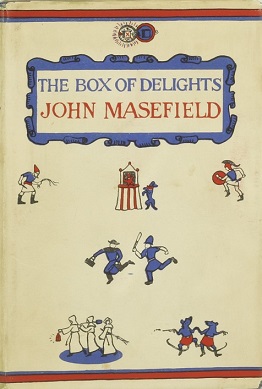
Then, when the Doctor and his companion Ruby travel back to 1937 to find Shirley Jackson, they tell her that they are “a good long way” “ahead of the curve”. Jackson replies that she once read a book: “A children’s novel that told of a little boy who travelled to the past in a magical box. He was an adventurer and saw all kinds of amazing things.” That book turns out to be The Box of Delights (1935) by English poet and writer John Masefield, Apparently, like its predecessor The Midnight Folk (1927), the book has been adapted multiple times into all sorts of radio and TV shows as well as stage performances.
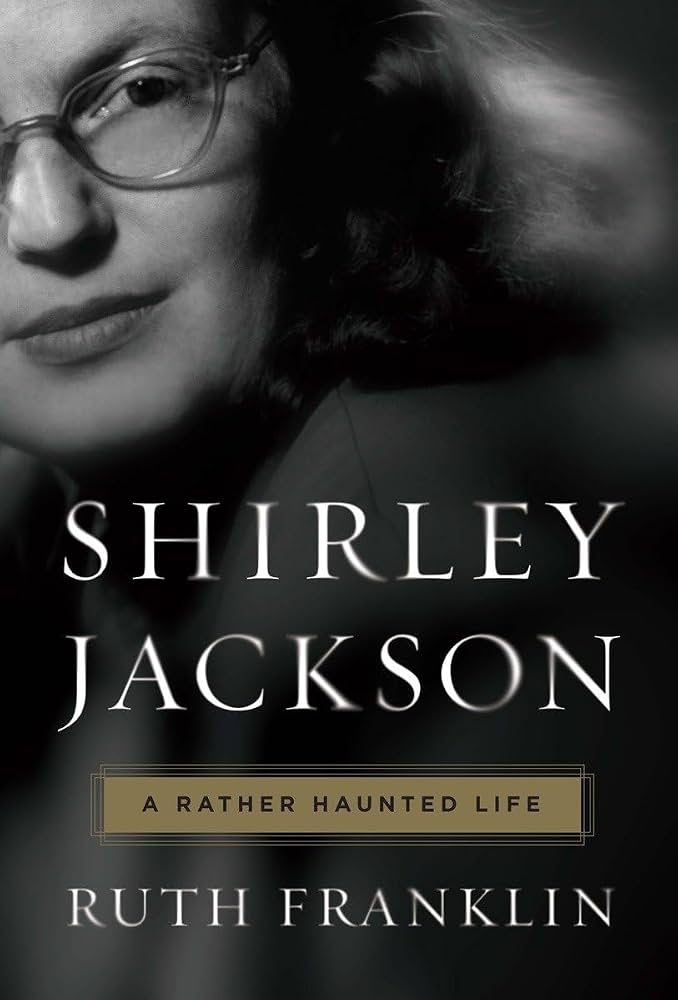
Finally, I found Shirley Jackson: A Rather Haunted Life (2016) by Ruth Franklin. The book will be arriving from the library soon. But it was Zoë Heller’s review of this book, titled “The Haunted Mind of Shirley Jackson” and published by The New Yorker in October 2016, that truly helped me better understand the aforementioned Doctor Who book.
P.S. The image at the very top of this post is used by The New Yorker for Shirley Jackson’s short story “The Lottery”, which was originally published in the print edition on June 26, 1948. As there was no Internet back then, I wonder when the magazine built their website and republished all their old content for today’s readers. Why did the staff choose that photo? A procession of people moving across a field on a sunny day…what can go wrong?