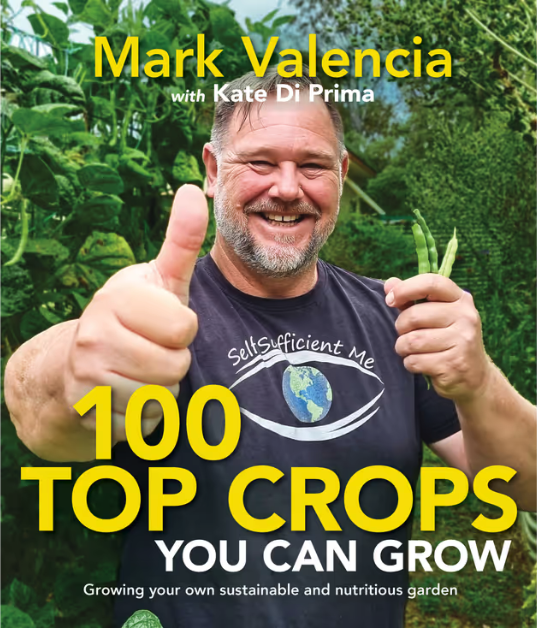
Those aspiring greenthumbs learning from YouTube gardening videos would know Mark Valencia, host of the popular channel Self Sufficient Me. His famous motto: “You don’t have to be self-sufficient in everything, just be self-sufficient in something.”
A retired soldier, Valencia started gardening because he wanted to save money by growing as much food at home as possible. With his wife working full-time, he took over household duties while trying to provide for the family in other ways.
But he soon realised gardening has other benefits. “I discovered by accident that gardening also helped me relax. It really calmed me and helped with the PTSD which I’d acquired…during my time in the military.”
Still other benefits include the improved mental health, the physical exercise, the vitamin D from sunlight, and the organic and pesticide-free food. Not to mention a beautiful and productive garden to be proud of.
“Possibly the best thing about growing your own fruit and veggies if you have children is getting more diversity into their diet,” Valencia writes. “Eating food grown in your own backyard is a powerful and positive message. Because kids see, they pick and they eat. If they’re inquisitive – and most kids are – they get excited about food.”
So, based on his 20+ years of experience as a gardener – and with the help of dietitian Kate Di Prima – Valencia presents his top 20 food crops in five categories, “most of which you can grow wherever you live”. The message is you, too, can grow your own food, if you are willing to devote a bit of time, effort and ingenuity.
Valencia’s five categories of food crops are vegetables, fruits and “fruitables”, herbs/spices, unusual food crops, and “I grew so you don’t have to!”. Each crop comes with a “Why?”, how-to-grow instructions, top tips, and its uses and nutritional power status.
While many of these food crops are already grown in kitchen gardens all across Australia, there are still delightful surprises to be found. For example, who would know New Guinea bean is actually a type of Italian gourd that is sometimes known as Cucuzza squash? And what exactly is a jaboticaba, jicama, brukale, or Chinese potato?
Perhaps the most interesting category contains those food crops that Valencia finds most frustrating to grow and/or eat. It may be impossible to grow broad beans successfully in Brisbane, even in winter, but: “The point is, you never know until you try and there is a tonne to be learnt through experimentation.”
This is a very “Valencia” book, full of hard-earned, evidence-based and diverse knowledge and skills, plenty of wit and fun, and the sort of quirky yet endearing Aussieness we are all so familiar with. Worth a read.
Note: This book review was originally titled “Inspiring gardening book” and published under the title “100 top crops you can grow review: inspiring garden book” by Ranges Trader Star Mail, October 27, 2026, P.14.
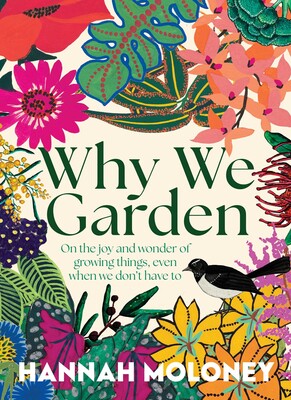
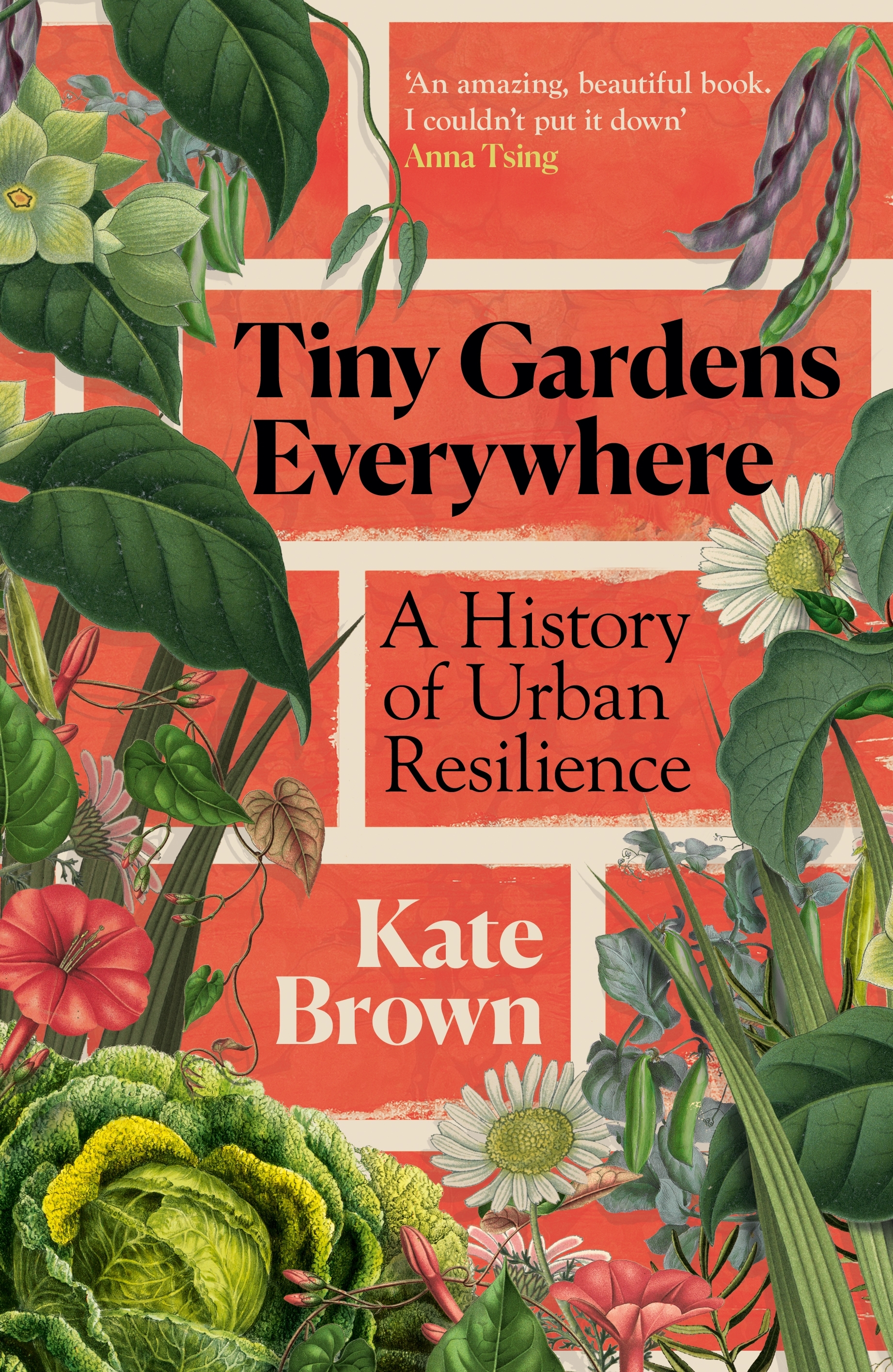
Also Note: The next two gardening books on my TBR list are Why We Garden: On the joy and wonder of growing things, even when we don’t have to by Hannah Moloney, and Tiny Gardens Everywhere: A History of Urban Resilience by Kate Brown. Can’t wait to get my hands on them!