
Reading the story “Tsutomu Yamaguchi: The man who survived both atomic bombs” via ABC News. I find this sentence hard to forget: “I should be dead. But it was my fate to keep on living.”
I have read about the Manhattan Project and the explosion of the uranium bomb “Little Boy” over Hiroshima. What I didn’t know is that the bomb detonated over Nagasaki was called “Fat Man” and it was a plutonium bomb, which was “far easier and cheaper” to make. Neither did I know there were plutonium production facilities in Hanford, Washington State.
Found two books about Hanford: Michele Stenehjem Gerber’s On the Home Front: The Cold War Legacy of the Hanford Nuclear Site (2007, originally published in 1992), and Joshua Frank’s Atomic Days: The Untold Story of the Most Toxic Place in America (2022). These led to the sci-fi novel The World Set Free (1914) by H.G. Wells, which I also didn’t know but have now downloaded as an ebook. It is interesting that someone suggests the substance “carolinum” in this book is inspired by Charles Baskerville’s supposed isolation of “carolinium” from thorium in 1901.
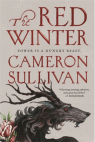
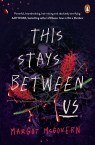
(Day 70 #WarmWinterRead #WWR25 via @librarieschangelives)
 Voices under the Sun 陽光下的聲音